The basics
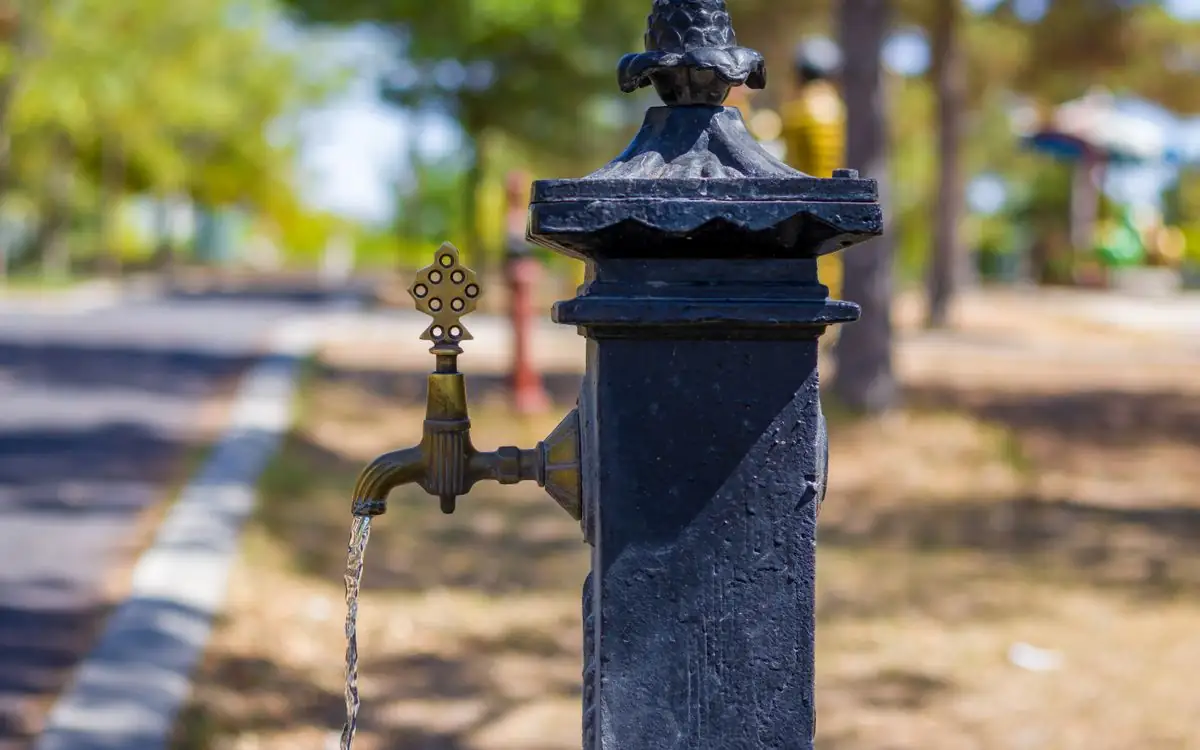
An outdoor tap, often called a hose bib, connects to a pipe that passes through your exterior wall. When water left in that pipe freezes, it expands and can split the line. The damage often stays hidden until spring, when you turn the tap on and water sprays inside the wall or the basement ceiling.
There are two common types. A standard hose bib has its shut-off at the tap itself, with water sitting in the pipe right up to the outside. The frost-proof kind uses an extended stem, so its seat closes deep inside the heated wall, so the section in the wall drains when shut. Both need attention before winter, though for different reasons.
Step by step
- Unscrew all hoses, every one. A connected hose holds water inside even a frost-proof tap and undoes the whole point of it.
- Drain the hoses, coil them and store them in a garage or shed.
- Find the indoor shut-off valve for each outdoor tap. It is usually on the basement ceiling or wall, directly inside from the tap.
- Close that indoor valve completely.
- Go outside and open the tap to let water drain out of the line.
- If the indoor valve has a small drain cap, place a container under it and open the cap to release trapped water.
- Keep the outside spout open all winter so trapped water can swell without cracking anything.
- Fit an insulated foam cover over each tap for extra protection.
Frost-free taps still need care
Frost-free taps are common in newer homes, and they work well when installed with a slight downward slope to the outside. If yours drips after shutting, or was installed level, water can stay trapped and freeze. A dripping tap also means the internal washer or seat is worn.
Irrigation and other outdoor lines
Lawn sprinkler systems need their own shut-down, usually by blowing compressed air through the lines. Pool equipment, outdoor kitchens and garden lines likewise need draining. If you are not sure how a system was installed, ask the installer or call us.
Time to bring in the shop
Bring us in if you cannot find the indoor shut-off, if the valve is seized or leaking, or if your outdoor tap drips constantly. A tap that sprayed or leaked inside the wall last spring may have split and needs replacing before next winter. We can also convert old standard taps to frost-free models. See outdoor hose bib repair for details. For pipe protection throughout the house, read preventing frozen pipes, and keep our frozen pipe thawing service in mind if a cold snap catches you.
Add this task to a wider routine with our fall plumbing checklist, which covers sump pumps, water heaters and the other jobs worth doing before winter.
Asked at the shop counter
Do I need to winterize a frost-free hose bib?
Yes, at least disconnect the hose. Draining the line from an indoor valve adds protection.
Should I leave the outdoor tap open or closed over winter?
After shutting the indoor valve and draining the line, leave the outdoor tap open.
How do I know if a tap froze last winter?
Watch for water inside the basement wall or ceiling when you first use it in spring. A sudden pressure drop at the tap is another clue.
Questions about this job? Call (365) 413-9125 and talk to a plumber.