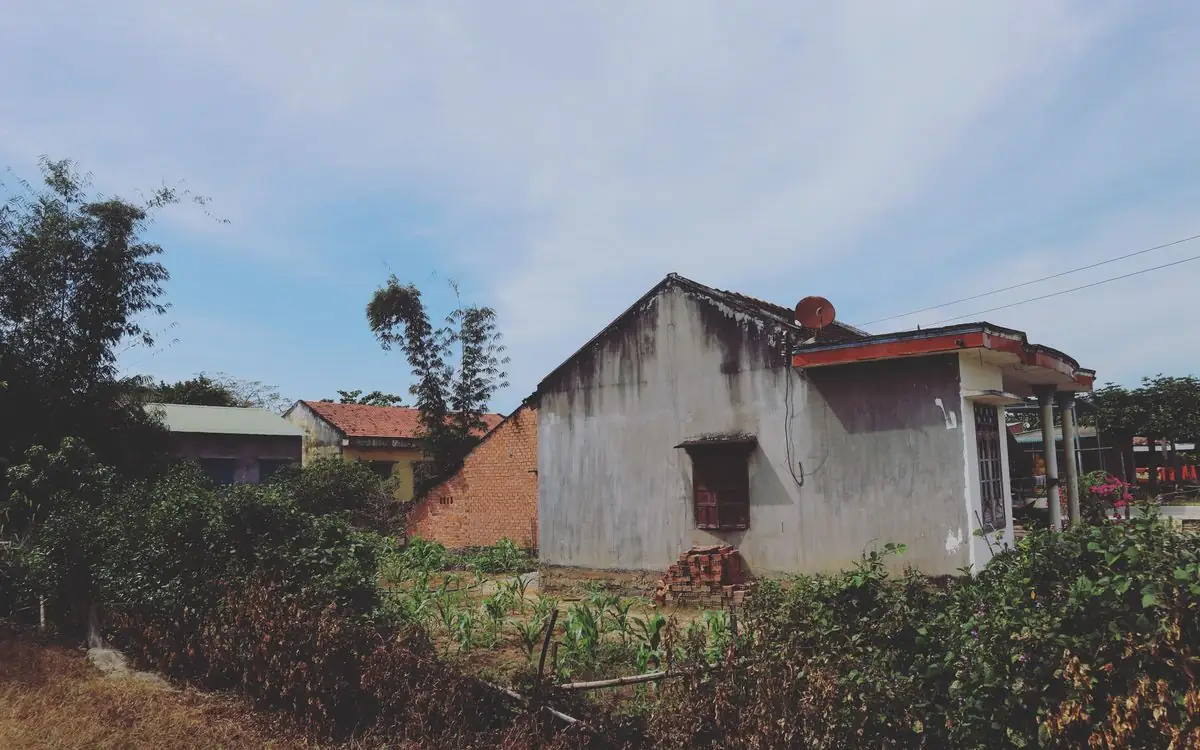
Housing stock
The village dates to the early 1800s and still has a small cluster of older houses, a historic church and a cemetery along Churchville Road. Homes range from nineteenth-century originals to later builds that follow heritage guidelines. Exterior changes can require City review, so plumbing that affects the outside of a house, such as new vents or exterior lines, should be planned with that in mind.
Common plumbing issues
- Old supply lines. Galvanized or early copper may remain behind walls; see repiping.
- Fieldstone basements. Damp foundations and limited headroom complicate heater and pump installs.
- Drain condition. Laterals of unknown age are best checked by camera.
- Freeze risk. Older walls with little insulation leave pipes exposed in deep cold.
Local water and drainage
Churchville sits on the Credit River, and parts of the village lie in the river's floodplain under Credit Valley Conservation regulation. That means low basements, wet springs and a real case for sump protection and backflow prevention. Check with the conservation authority before any work near the river bank.
How we help
We bring a light touch to older houses: protecting floors and trim, using existing chases where we can, and avoiding new openings on heritage facades. For winter, we insulate or reroute vulnerable lines; see frozen pipe thawing if one has already frozen.
Plan ahead
Before renovating, ask the City whether your project triggers a heritage permit. It is easier to plan plumbing routes once that is clear.
Asked at the shop counter
Do I need heritage approval for plumbing work?
Indoor pipe work rarely does. Anything that alters the outside of the house might, so ask the City before you start.
Is Churchville in a floodplain?
Parts of it are near the Credit River. Credit Valley Conservation can confirm for your property.
Can you work in tight fieldstone basements?
Yes. We plan equipment sizes and routes to suit low headroom.
Questions about this job? Call (365) 413-9125 and talk to a plumber.