Housing stock
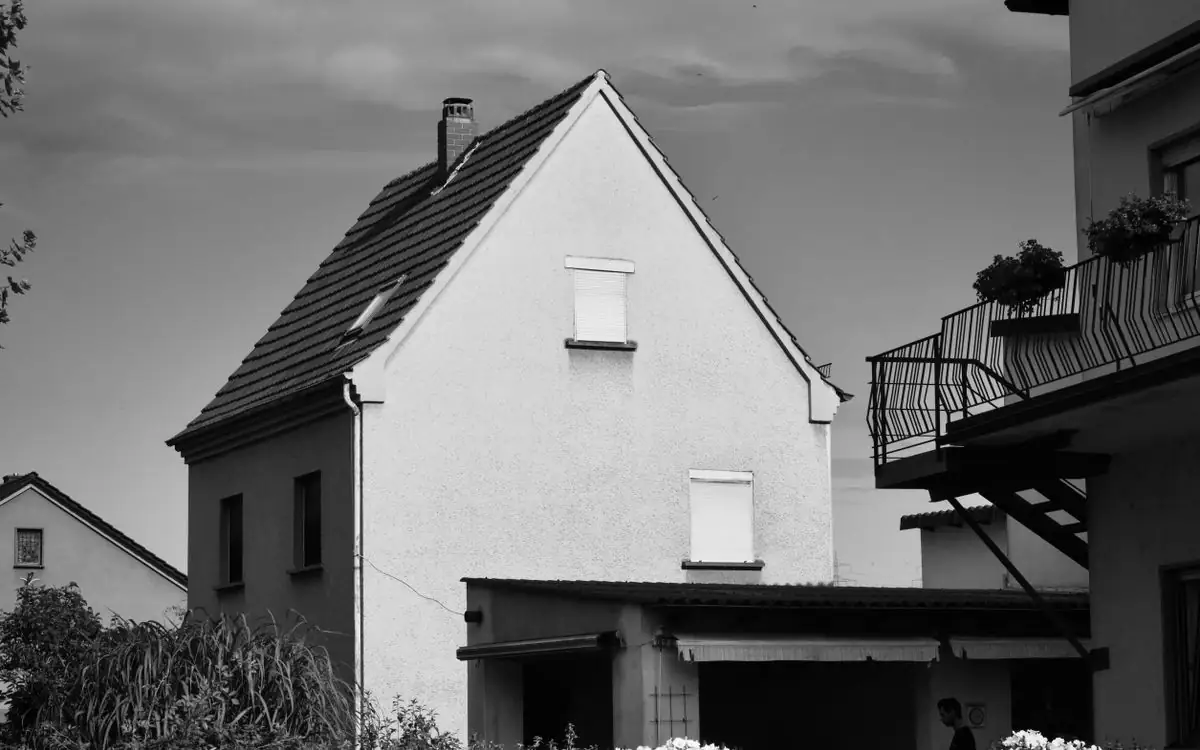
The neighbourhood sits west of Main Street South, between Steeles Avenue and the older downtown streets, with Etobicoke Creek and the Peel Village golf course at its edges. Homes are mostly bungalows, back-splits and side-splits, along with some two-storey houses, built in the late 1950s and 1960s on generous lots. Most have been redone two or three times over, so behind the walls you can find original galvanized steel, later copper, and sections of newer PEX joined together. Drains often combine original cast iron with ABS or PVC additions.
Common plumbing issues
- Galvanized supply lines. Remaining steel pipe rusts from the inside, cutting pressure and staining water. Repiping solves both.
- Cast-iron drain stacks. After decades, cast iron can crack along the bottom or rust through at joints, especially in basement floors.
- Root intrusion. The mature maples, oaks and willows that give the area its character also send roots hunting into old clay and iron sewer pipe. See tree root removal.
- Basement floor drain backups. Older laterals and the lack of backwater valves leave some basements exposed during heavy storms.
- Split-level quirks. Side-splits often run supply lines through crawlspaces and exterior walls that are prone to freezing.
Local water and drainage
Peel Village draws on the same moderately hard municipal water as the rest of Brampton. Being close to Etobicoke Creek means a low-lying setting in places, and parts of south Brampton have seen basement flooding during intense summer storms. A backwater valve ranks near the top of worthwhile upgrades for older homes here. Many original houses were built with foundation drains tied into the sewer system, an arrangement that newer construction no longer uses.
How we help
Our Peel Village work leans toward diagnosis and thoughtful upgrades. Before replacing anything, we usually run a camera inspection on the lateral and check what the supply lines are made of. With that picture, you can plan the work in an order that makes sense: secure the sewer and add a backwater valve first, then repipe, then renovate bathrooms. Doing it the other way round often means opening finished rooms twice.
We understand these homes. Low crawlspace access, tight split-level stairwells, and plaster walls all call for patience and clean work, and we bring drop sheets and shoe covers as standard.
Nearby we cover Downtown Brampton, Southgate and Brampton West, along with every community on our coverage list.
Buying in Peel Village?
Ask for a plumbing check before closing. Our home buyer's plumbing guide lists what to look for, from the water heater label to the material at the main shut-off.
Asked at the shop counter
Is galvanized pipe still common in Peel Village?
Some homes still have sections, often hidden behind later copper. A look at the pipe entering the house and at the water heater usually tells the story.
Do older homes need a backwater valve?
They benefit the most, especially in low-lying spots. Installation requires cutting the basement floor near the main drain.
Can you work around plaster walls?
Yes. We plan routes to avoid plaster where possible and make clean openings when we cannot.
Questions about this job? Call (365) 413-9125 and talk to a plumber.